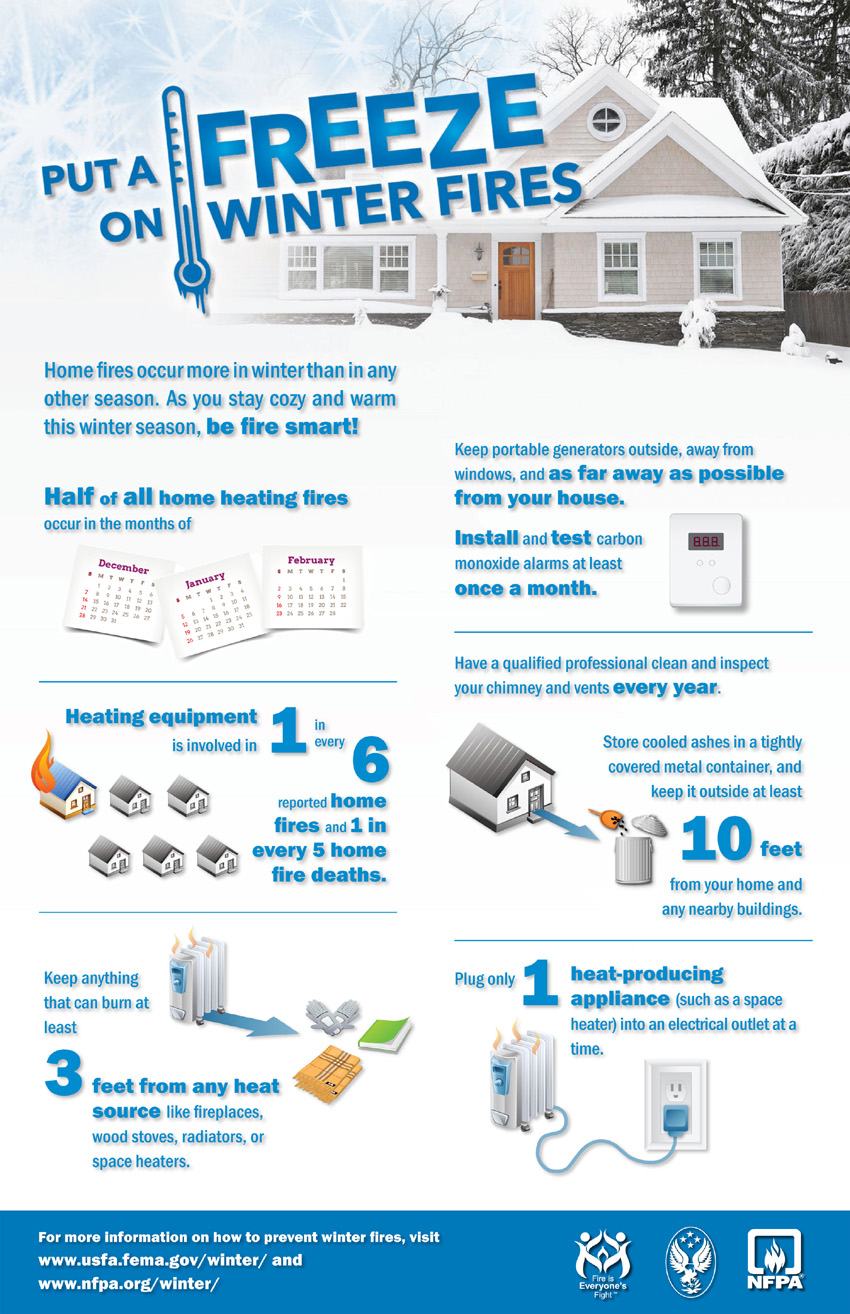
This Week is going to be a cold one. So stay warm and safe this holiday season with some safety tips for your heater
Local 51 wants you to help put a freeze on fire this holiday season. Follow these safety tips and follow the link for more help this season
Contact Elected Officials!
Night Vision
Updated On: Dec 09, 2009
Night Vision Intro
The first thing you probably think of when you see the words night vision is a spy or action movie you've seen, in which someone straps on a pair of night-vision goggles to find someone else in a dark building on a moonless night. And you may have wondered "Do those things really work? Can you actually see in the dark?"
The answer is most definitely yes. With the proper night-vision equipment, you can see a person standing over 200 yards (183 m) away on a moonless, cloudy night! Night vision can work in two very different ways, depending on the technology used.
How Night Vision Works
All Starlight technology Night Vision Devices consist of several main parts: an objective lens, an eyepiece, a power supply and an image intensifier tube (Photocathode Tube).
Night vision devices gather existing ambient light (starlight, moonlight or infra-red light) through the front lens. This light, which is made up of photons goes into a photocathode tube that changes the photons to electrons.
The electrons are then amplified to a much greater number through an electrical and chemical process. The electrons are then hurled against a phosphorus screen that changes the amplified electrons back into visible light that you see through the eyepiece. The image will now be a clear green- hued amplified re-creation of the scene you were observing.